
2026-04-08
Diabetic Eye Disease: Why Regular Eye Exams Matter
Diabetic and skipping eye check-ups? Big mistake. Here's what happens inside your eyes & why regular exams can save your sight.

Understanding LASIK eye surgery: Learn how this laser eye surgery reshapes the cornea to correct vision. Discover how laser reshapes for improved focus.

Okay so here's a confession.
Every time a patient sits in front of Dr. Vedang Shah and asks "Doctor, can I get rid of my glasses permanently?" - there's this little spark of excitement. Because we know what LASIK surgery can do when it's done right, for the right person.
But we also know what happens when people walk in with half-baked information they picked up from Instagram reels. And honestly? That worries us more than the surgery itself.
So this isn't going to be one of those medical articles that sounds like a textbook threw up on your screen. We're going to talk about LASIK eye surgery the way we'd explain it to a friend sitting across the table at a Ballygunge coffee shop. Plain words. Honest answers. No sugarcoating.
Fair? Let's go.
The full form - laser-assisted in situ keratomileusis. Yeah. Nobody remembers that. Even half the doctors we know just say LASIK and move on.
But here's what actually matters.
LASIK is a type of refractive surgery. Basically, it's an eye surgery that corrects vision problems - things like myopia (nearsightedness), hyperopia (farsightedness), and astigmatism. These are all refractive errors, which means light isn't bending properly when it enters your eye, so things look blurry.
What does LASIK do about it? A surgeon uses a laser to reshape your cornea - that's the clear, dome-shaped front part of the eye. When the cornea gets reshaped correctly, light focuses right on the retina the way it's supposed to. And suddenly... things are sharp.
That's it. That's the core idea. A laser reshapes the cornea, and your vision clears up.
Sounds simple when you put it like that. But there's a lot more going on behind the scenes.
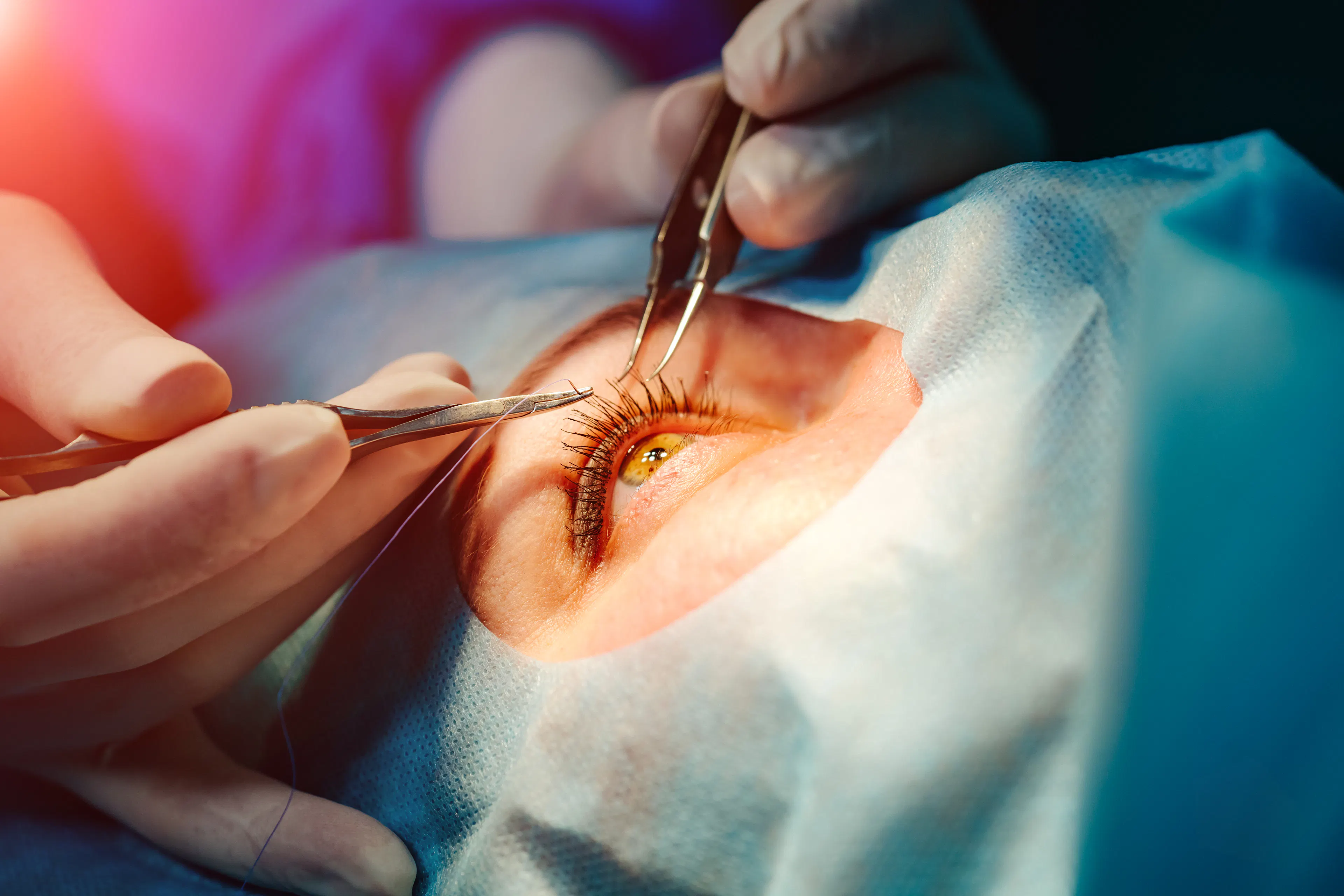
People imagine all sorts of scary things. Lasers flying around. Being awake while someone operates on your eye. The anxiety is real and honestly, completely normal.
Here's how the lasik procedure actually works, step by step. No drama.
Before anything starts, your eye surgeon puts numbing eye drops in your eyes. You don't feel pain. Pressure, maybe. A weird sensation, definitely. But not pain. We need to be clear about that because fear of pain stops so many people from even considering lasik.
Step 1 - The surgeon creates a thin flap on the front of the eye (the corneal surface). In traditional LASIK, a small blade called a microkeratome does this. In bladeless LASIK - which is what most modern clinics including ours prefer - a femtosecond laser creates this flap. Way more precise.
Step 2 - That flap gets gently folded back. Now the inner corneal tissue is exposed.
Step 3 - Here's where the magic happens. An excimer laser reshapes the cornea based on your exact prescription. For a nearsighted eye, it flattens the cornea a bit. For farsighted, it makes it steeper. For astigmatism, it smooths out the irregularities. The laser reshapes only the amount needed - we're talking microscopic precision here.
Step 4 - The flap is laid back in place. It bonds naturally. No stitches.
The whole thing? Maybe 15-20 minutes for both eyes. The actual laser part is under a minute per eye. Most patients sit up and go "that's it?" And yeah. That's pretty much it.
This is where things get real. Because not everyone who wants LASIK should get LASIK.
We've turned away patients. It's not fun - nobody likes hearing "this isn't right for you." But that's what ethical eye care looks like. You don't just say yes to everyone who walks in.
So what makes you a candidate for lasik?
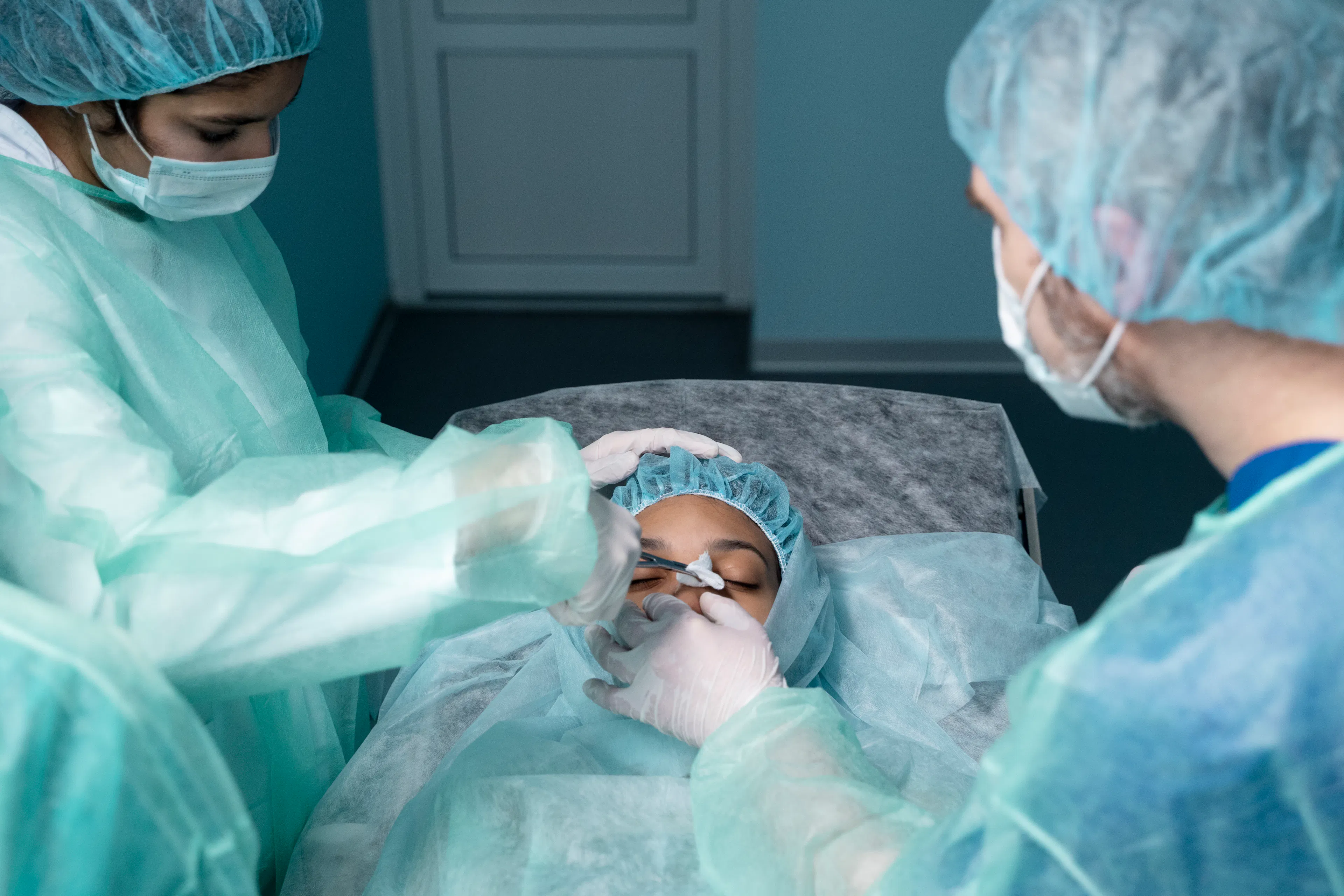
See, this is why we insist on a thorough eye exam before even discussing surgery dates. We check corneal thickness, pupil size, tear production, retina health, eye pressure - everything. Because a good candidate for lasik surgery isn't just someone who wants it. It's someone whose eyes can genuinely handle it.
When people say "LASIK," they usually mean one thing. But there are actually different types of lasik and related refractive surgeries. Here's the breakdown without overcomplicating it.
Uses a microkeratome blade for the flap, then excimer laser for reshaping. Been around for decades. Still works.
No blade at all. A femtosecond type of laser creates the flap. More precise, smoother edges. This is what we recommend in most cases.
A newer type of laser eye surgery. No flap at all. The laser creates a small disc-shaped piece of tissue inside the cornea, and the surgeon removes it through a tiny incision. Less disruption to the corneal surface. Good for people with dry eyes concerns.
This one's older than LASIK, actually. No flap is created. The surface layer of the cornea is removed and the laser reshapes the tissue underneath. Recovery is slower. But for people with thin corneas who can't do LASIK? PRK can be a solid option.
This is where things get fancy. The laser reshapes based on your cornea's unique topographic map - not just your glasses prescription. Think of it as customized laser vision correction.
The point is - your eye surgeon uses the technique that matches YOUR eyes. Not what's trending on social media. Not what's cheapest. What's right for you.
Let's talk about what makes people actually go through with this. The benefits of lasik are pretty straightforward, but they're also genuinely life-changing for the right person.
That's the big one, obviously. Most people who have lasik achieve 20/20 vision or very close to it. Imagine waking up and actually seeing the alarm clock. Swimming without worrying about contact lenses. Driving without fogging up glasses in Kolkata's monsoon humidity.
The procedure itself takes minutes. Not hours. Minutes. Most people are back to normal activities within a day or two.
LASIK isn't a temporary fix. For the vast majority of patients, the correction holds for years and years. Your near vision may still change with age (that's presbyopia, a completely separate thing), but the distance correction tends to stick.
We won't say zero - because the first few hours after surgery, your eyes might feel scratchy and watery. But it's very manageable.
Sounds weird to call surgery a cost saving, right? But think about it. Glasses every couple of years. Contact lenses every month. Solutions, cases, eye drops. Over 10-15 years, that adds up to a LOT more than a one-time lasik surgery cost.
Now - are these benefits of lasik eye surgery guaranteed for every single person? No. And anyone who promises that is someone you should run from. But for the right candidate, the outcomes are excellent.
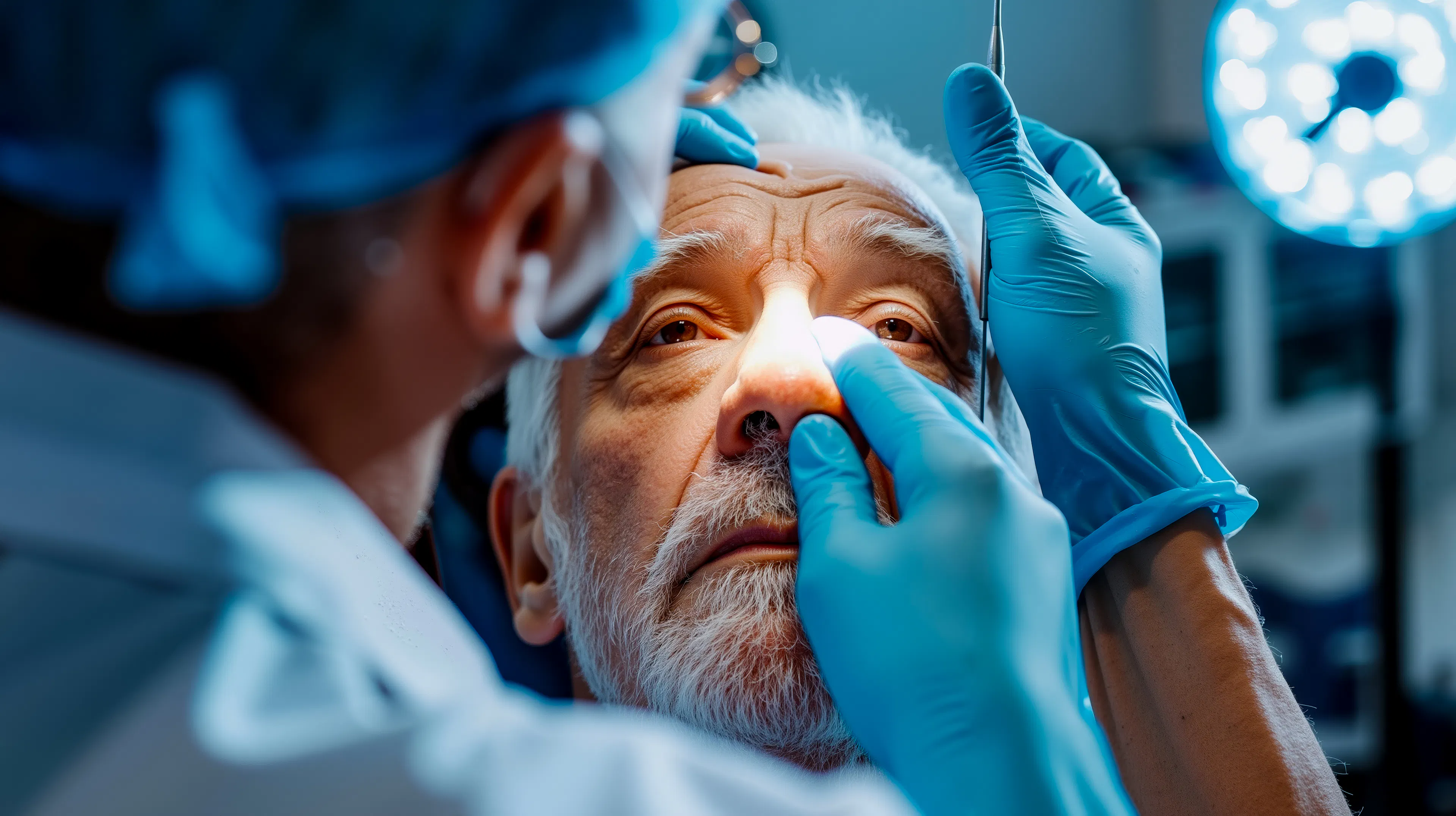
We could easily skip this section and make LASIK sound perfect. But that's not how we work at Shree Netra. So let's talk about the side effects of lasik eye surgery openly.
Probably the most common complaint. After LASIK, your eyes may not produce enough tears for a while. It usually settles down in a few weeks to a few months. We prescribe lubricating eye drops and monitor it closely.
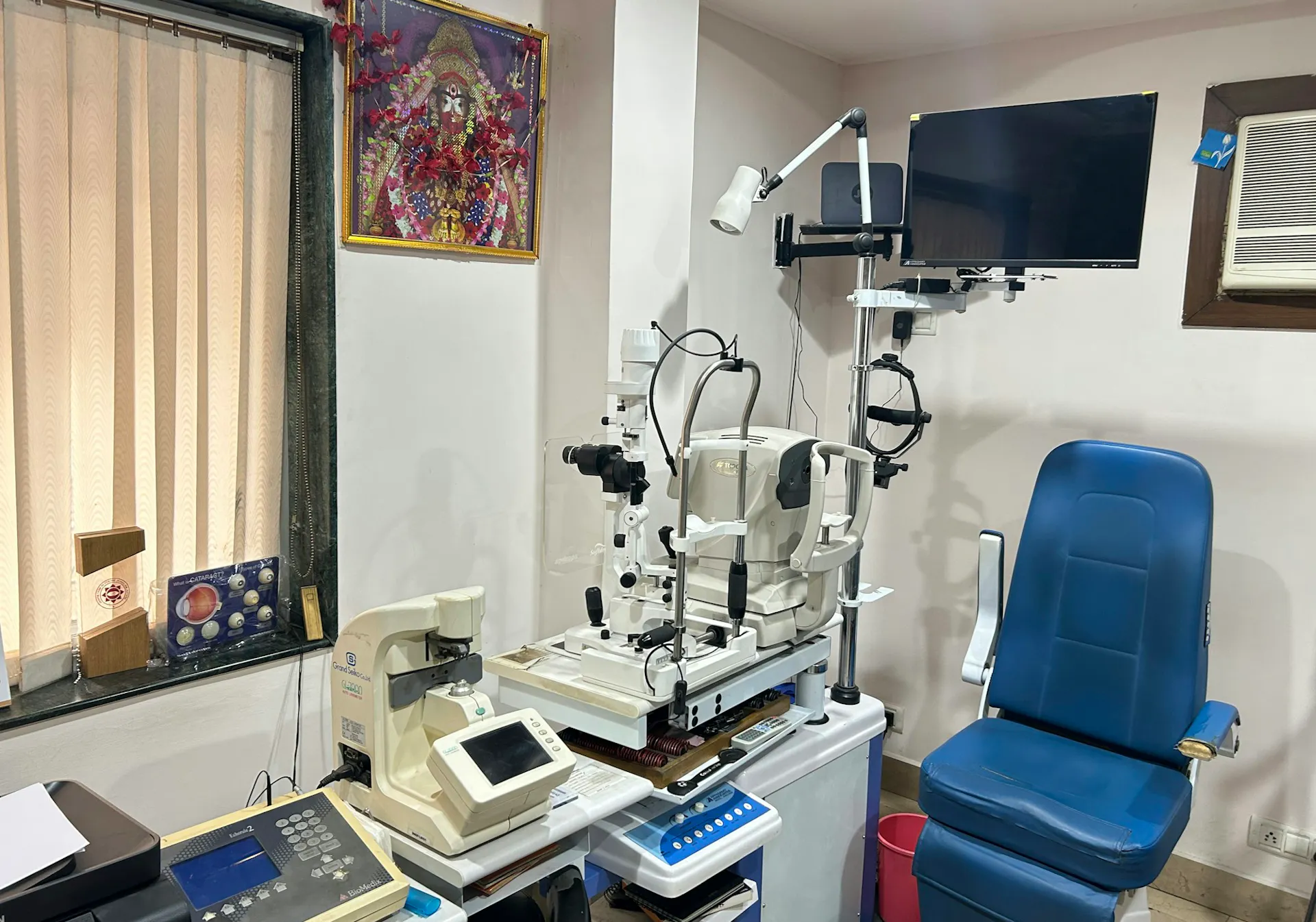
Some patients notice halos around lights at night, especially in the first few weeks. This bothers some people more than others. Usually improves over time.
Sometimes the laser removes slightly too much or too little tissue. If significant, enhancement surgery might be needed down the line.
Rare with modern bladeless lasik, but the flap can occasionally shift or wrinkle during healing. This is why post-operative care and follow-up matter SO much.
In some cases, vision over time can slightly regress - meaning your prescription creeps back a little. It's not common, but it happens.
Extremely rare. Following lasik aftercare instructions - using prescribed eye drops, keeping your eye clean, not rubbing - reduces this risk dramatically.
Here's what we tell every patient considering lasik at our clinic: you need to weigh the risks and rewards. The lasik surgery side effects are real, but for most people, they're temporary and mild. Still, you deserve to know about them before you decide.
Side effects and risks of lasik overlap, but they're not exactly the same thing. Side effects are common and usually temporary. Risks are about more serious complications.
Situations where LASIK could be risky:
This is exactly why the pre-operative evaluation is non-negotiable. We'd rather tell you "let's wait" or "let's explore other options" than push you into something that could harm your eye health.
Surgery went well. Vision is crisp. You feel great. Now what?
Here's the thing - lasik surgery recovery is usually quick, but it's not instant. And what you do in those first few days and weeks matters a LOT.
First 24 hours:
First week:
First month:
Long-term precautions after lasik:
Most complications we've seen over the years happened because someone got casual about post-op care. Don't be that person.
Not a candidate for LASIK? That's not the end of the road.
We mentioned this earlier. Great for thinner corneas. Same laser technology, just a different approach.
Think of it as a permanent contact lens placed inside your eye, behind the iris. Works beautifully for high prescriptions where LASIK isn't safe. And it's reversible - the lens of the eye isn't touched.
More common for people over 45-50, especially those with early cataract changes. The natural lens of the eye is replaced with an artificial one. Solves the refractive error and prevents future cataract issues.
Already discussed above. Less invasive than traditional LASIK.
The key? An experienced eye surgeon evaluates your specific situation and recommends what's genuinely best for your eyes. Not what's most popular. Not what's most profitable. What's best.
We know this matters. Let's not pretend it doesn't.
Lasik surgery cost in Kolkata varies depending on the technology used, the type of procedure, and the clinic. At Shree Netra Eye Foundation, we're upfront about pricing. No hidden charges, no last-minute surprises.
We also factor in the complete experience - your pre-operative evaluation, the surgery itself, all follow-up visits, and post-operative medications. Because laser eye operation isn't just about 15 minutes on the table. It's about the entire journey.
If cost is a concern, talk to us. We'll give you honest numbers and help you understand exactly what you're paying for.
Look, we've done this long enough to know that deciding on any eye surgery is personal. It's your eyes. Your vision. Your life.
LASIK is a popular laser eye surgery for a reason - it works, it's fast, and the results can genuinely transform daily life. But it's not magic. It's medicine. And medicine requires careful evaluation, skilled hands, proper technology, and honest communication.
If you're considering lasik, here's our advice: start with a proper consultation. Get a complete eye exam. Ask every question you have - even the ones you think are silly. Understand the risks and benefits. And then decide.
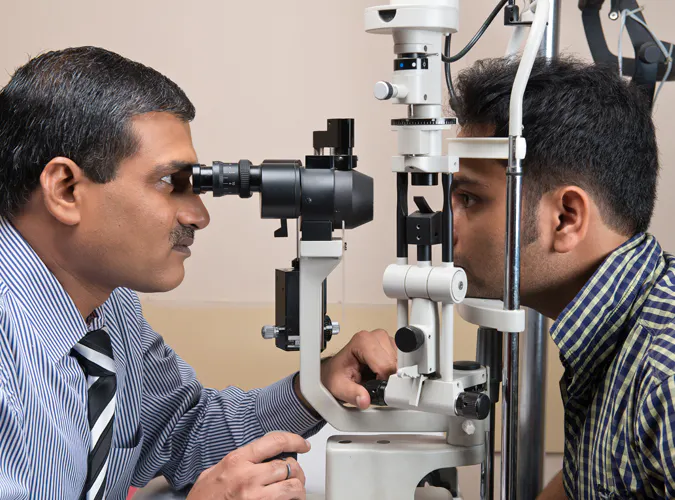
At Shree Netra Eye Foundation in Ballygunge, Kolkata, we've been helping people see clearly since 1996. Whether you end up getting LASIK or not, we'll make sure you walk out with clarity - about your eyes, your options, and your next steps.
Eye care center treatments are specialized services aimed at improving and maintaining eye health
Diabetic and skipping eye check-ups? Big mistake. Here's what happens inside your eyes & why regular exams can save your sight.

Understand how glaucoma leads to vision loss. Learn about causes, risk factors, symptoms, angle-closure glaucoma, early detection and treatment options.
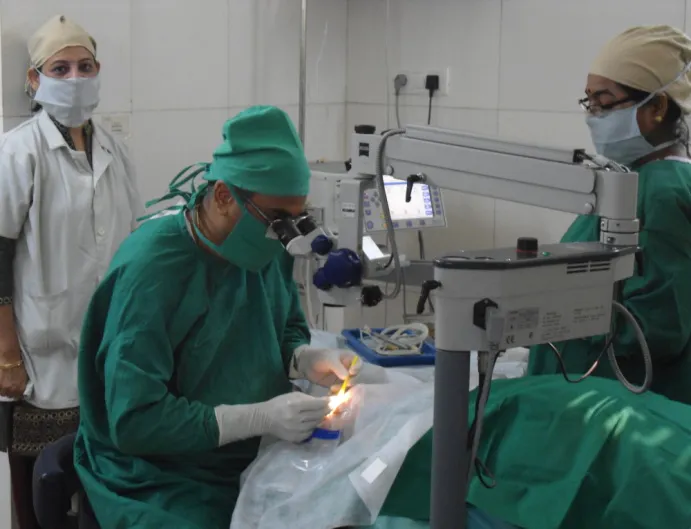
Is LASIK surgery safe? Understand laser eye surgery risks & benefits. Learn if laser vision correction with LASIK eye surgery is right for you.