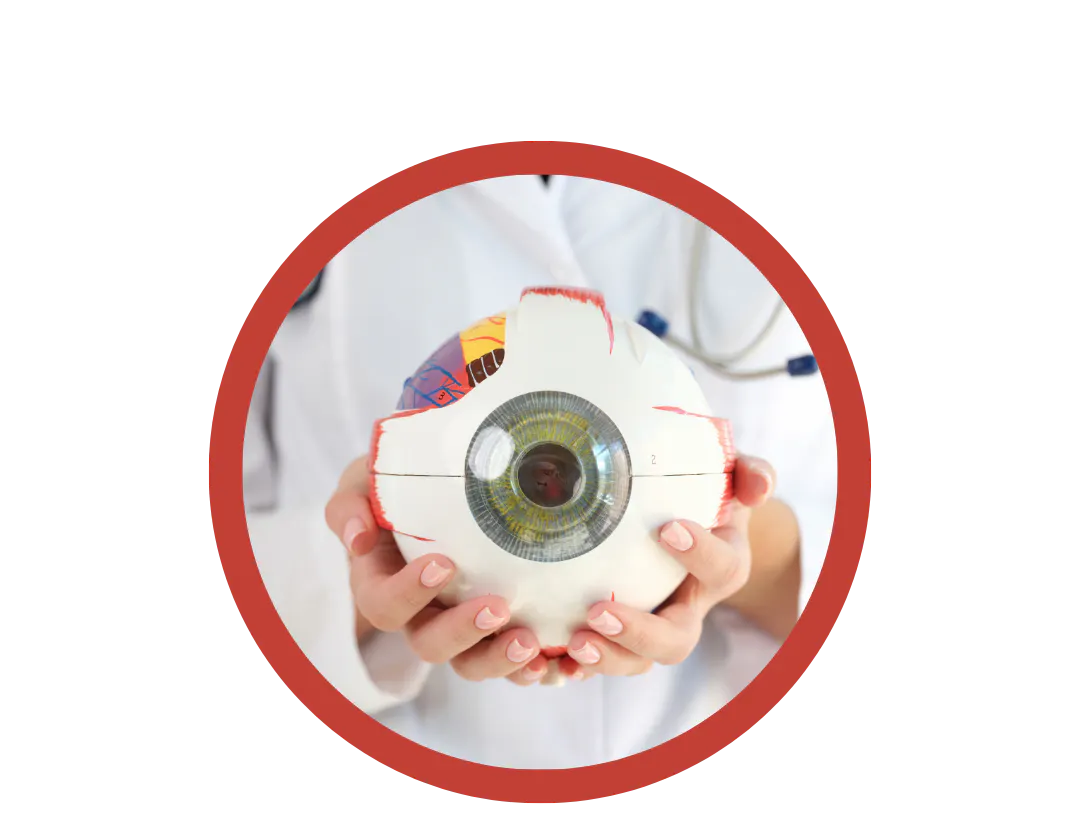
Eyelid Surgery
Used when the eyelid position affects vision or appearance.


Sometimes the issue isn’t just vision. It’s how the eyes look, move, or feel. Whether it’s a squint, a drooping eyelid, or constant watering, these are things people notice but often ignore at first. The good part is - most of these conditions can be managed with the right care and timely treatment.
Book an Appointment
Share your details and we'll get back to you
In a normal situation, both eyes move together. They focus on the same point, and the brain combines both images into one clear picture.
In squint, that coordination is not perfect.
One eye may look straight while the other turns inward, outward, or sometimes even upward or downward. This may happen all the time, or only occasionally.
Some people notice it early. Others don’t - especially in children.
In adults, it often shows up differently. Instead of visible misalignment, they may experience double vision or difficulty focusing.
And one important thing - squint is not always permanent. Many cases can be improved or corrected.

Not every squint needs surgery.
That’s something patients often assume - but it’s not always true.
The first step is understanding why the squint is happening.
Some common treatment options include:
The approach depends on age, type of squint, and how long it has been present.


If alignment does not improve with other methods, squint surgery is considered.
The idea behind the surgery is quite simple - adjust the muscles that control eye movement so both eyes can align better.
It’s not about removing anything or replacing parts. It’s more about balancing how the eye muscles work.
Patients are usually anxious when they hear the word “surgery.” That’s normal.
But once the process is explained clearly, most people feel more comfortable about it.
And yes - in many cases, squint can be corrected effectively.

Sometimes patients come in because someone else pointed it out.
“Your eye looks a little different.”
Other times, they feel it themselves.
In children, it may show as poor coordination or one eye drifting occasionally. In adults, discomfort is usually more noticeable.

Most people walk into a clinic thinking they need glasses. And yes, many times that’s true.
But quite often, the concern is something else.
Maybe one eye doesn’t align properly. Maybe the eyelid looks slightly uneven. Sometimes there’s watering that just doesn’t settle. Or a feeling that the eyes are not working together the way they should.
These kinds of issues usually fall under two areas — squint and oculoplasty.
Squint, also called strabismus, is when both eyes are not aligned in the same direction. Oculoplasty, on the other hand, deals with the structures around the eye — eyelids, tear ducts, and even deeper areas like the eye socket.
They may look like small problems from the outside. But they can affect comfort, appearance, and sometimes even vision.
Oculoplasty, or ophthalmic plastic surgery, focuses on the structures around the eye.
This includes:
Some conditions affect function - like difficulty opening the eyelid or constant watering. Others affect appearance - like drooping eyelids or swelling.
Often, it’s a mix of both.
That’s where an oculoplastic surgeon comes in - someone trained specifically to handle these delicate areas.

These procedures are planned based on the problem - not a fixed method.
Swipe to explore
Used when the eyelid position affects vision or appearance.
Helps when watering becomes constant and uncomfortable.
Deals with conditions deeper inside, behind the eye.
Done after injury, trauma, or certain diseases.
Focused on improving appearance while maintaining function.

There are situations where the natural eye cannot be preserved.
In such cases, artificial eyes - also called prosthetic eyes - are used.
They are custom-made to match the other eye as closely as possible.
While they don’t restore vision, they help restore a natural appearance. And for many patients, that makes a big emotional difference.
We don’t rush into treatment.
First, we understand the concern. Then we examine - carefully.
We check eye movement, alignment, eyelids, tear drainage, and surrounding structures.
After that, we explain.
Not in complicated medical terms. Just clearly - what’s happening and what can be done.
If surgery is needed, we plan it step by step. If not, we guide you with other options.
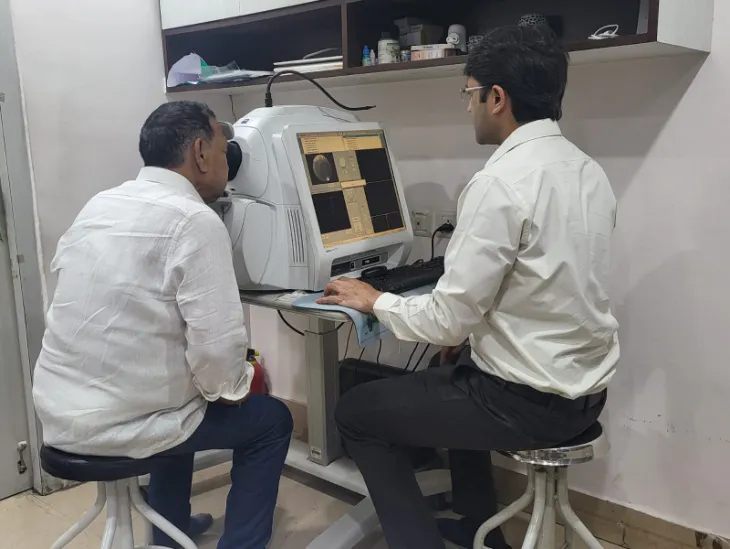

Recovery is usually straightforward.
There may be:
Some patients also feel a little tightness around the eye for a few days.
This is expected and improves gradually.
Most people return to normal routine within a short time, although full recovery depends on the type of surgery.
These procedures are commonly done and are considered safe when performed by an experienced surgeon.
That said, every case is different.
That’s why proper evaluation is important before deciding on surgery.
We take time to explain everything - including what to expect - so patients feel informed and comfortable.


When eyes are aligned properly, or when eyelid and surrounding issues are corrected, it improves more than just function.
It changes how a person feels.
Confidence improves. Comfort improves.
And sometimes, even small corrections make a noticeable difference in daily life.
You don’t need to decide everything today. Just understand what’s happening - and we’ll guide you step by step.